Thinking about moving to Carmel, Indiana, but not sure what daily life actually feels like? You want good schools, an easy commute, and places to get outside without sacrificing convenience. You also want to know how housing options and costs line up with your goals. This guide walks you through what it is really like to live in Carmel so you can make a confident decision. Let’s dive in.
Carmel at a glance
Carmel is a well-planned, suburban city just north of Indianapolis. You’ll find a polished City Center, public art, and a strong calendar of cultural events anchored by the Center for the Performing Arts and the Palladium. The city is known for its extensive system of roundabouts that help traffic flow and its focus on walkable, mixed-use development in the core.
Families are drawn to the area for Carmel Clay Schools, neighborhood parks, and organized activities. Professionals appreciate access to regional employment hubs and a balanced lifestyle with restaurants, shopping, and healthcare close by.
Neighborhoods and housing
You have a wide range of home styles and settings to choose from in Carmel. Here’s how the main areas and property types break down.
Downtown and City Center
If you want walkability, City Center and the Arts & Design District offer the highest-density living in Carmel. You’ll see condos, townhomes, and apartments near restaurants, galleries, and events, with quick access to the Palladium and public spaces. This lifestyle suits downsizers, single professionals, and anyone who wants an easy, park-once kind of day.
Planned communities
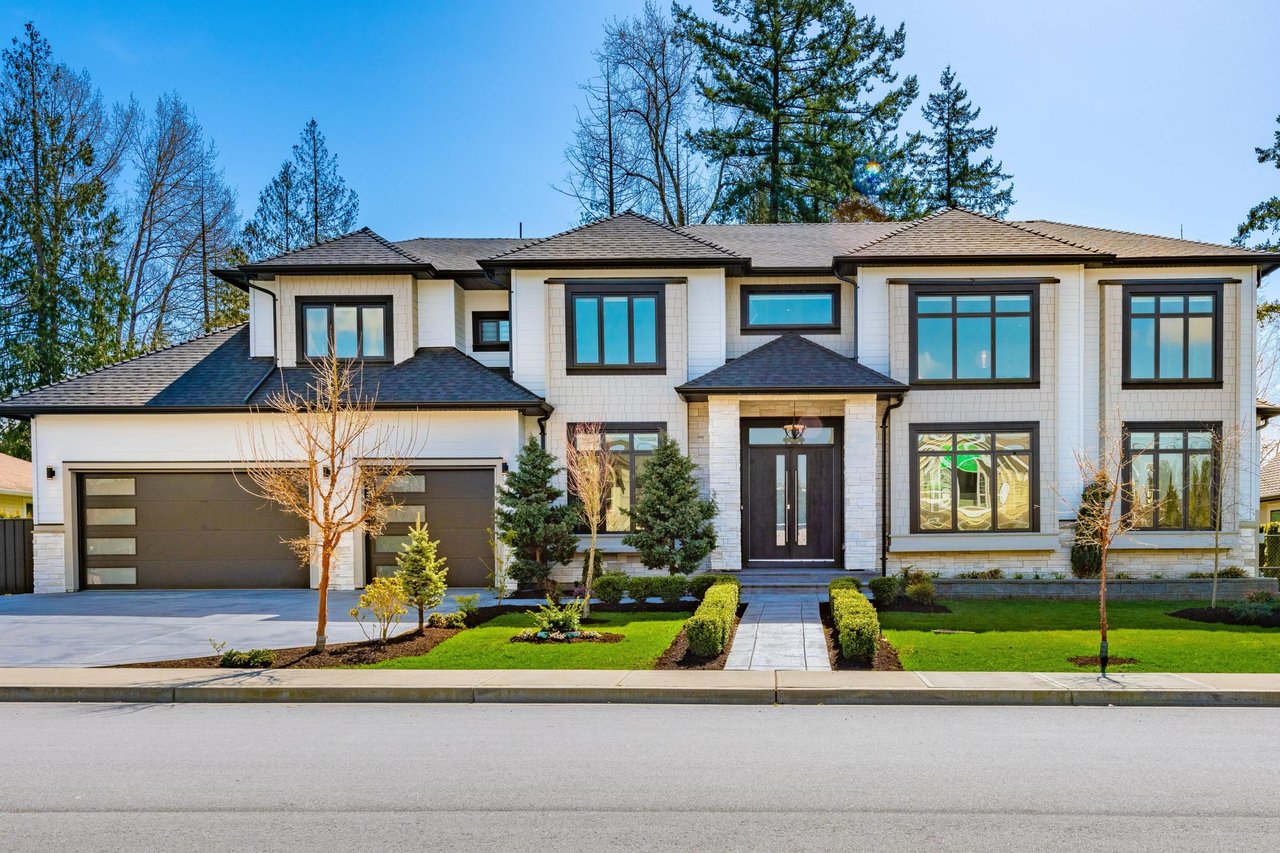
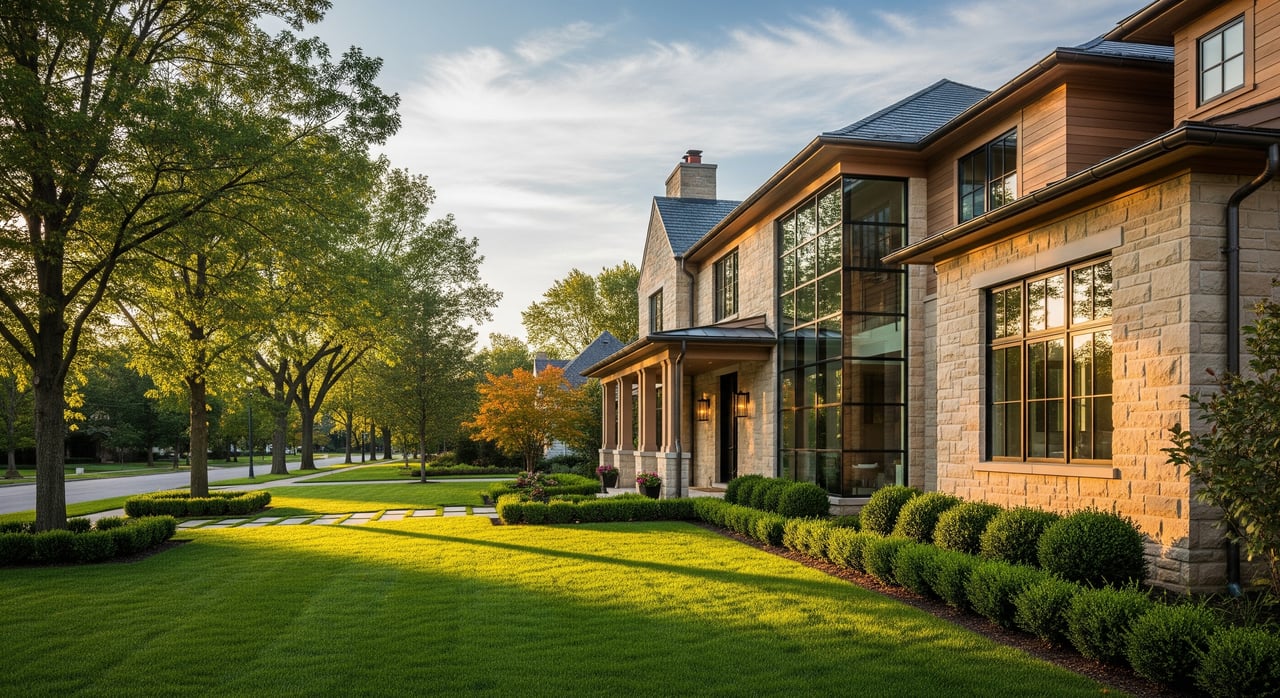
Across Carmel, master-planned neighborhoods feature amenities like clubhouses, pools, trails, and curated streetscapes. Homes range from upscale to luxury, with larger lots and contemporary floor plans. Many of these communities are HOA-managed, which helps keep common areas and amenities in good shape.
Traditional subdivisions
If you prefer cul-de-sacs, neighborhood parks, and a classic suburban feel, you’ll find many established subdivisions with mid-sized single-family homes. These areas often appeal to buyers who value yard space and proximity to schools and youth sports.
Edges and transition areas
Neighborhoods along major corridors and on the city’s edges mix older homes with new infill. You might see remodels next to new builds as the housing stock evolves. This can be a good place to look for value or a property you can customize.
What you’ll see inside
Single-family homes dominate, with a strong share of newer construction that favors open layouts, home offices, and energy-efficient systems. Attached options like townhomes and condos cluster near the core. If low maintenance living is your priority, those attached choices can be a smart fit.
What homes cost
Housing costs in Carmel sit above Indiana averages and higher than many nearby communities in Hamilton County. Entry-level condos and smaller single-family homes are the most accessible on price. Larger single-family properties and newer luxury builds command premiums, especially near City Center or in amenity-rich planned communities.
In popular areas, well-presented listings can see more competition. Homes aligned with walkability or school preferences often sell faster and closer to asking. If you find a home that fits your top priorities, be ready to move decisively.
Schools and education
Most of Carmel is served by Carmel Clay Schools, which are widely regarded as high performing within the state. Families often choose where to live based on school boundaries, so it’s important to confirm the assigned schools for a specific address. Boundaries can change from time to time.
Private and parochial options are available in and near Carmel for families seeking faith-based or independent education. Daycare and preschool providers are common across the city, but popular centers can have waitlists. If early childhood care is a must, start outreach early.
What to check before you buy
- Confirm your address’s school assignment with the district.
- Review current district and school report cards to understand programs and performance.
- Ask about AP, honors, and specialty options that fit your student’s needs.
- If you need daycare, contact centers early about availability.
Getting around
Driving and commute
Most residents drive for daily errands and work. Many people commute to the greater Indianapolis metro, and your travel time varies by destination and time of day. Carmel’s network of roundabouts helps reduce stop-and-go driving and supports steady traffic flow.
Transit and alternatives
Fixed-route public transit is limited compared with large urban centers. Some commuters use ride-share or employer shuttles for first and last miles. If transit matters to you, map out options from your specific address.
Trails and walkability
Walkability is strongest in City Center and the Arts & Design District. Many neighborhoods elsewhere are car-oriented but still include sidewalks and trail access. The Monon Trail is a standout for walking, running, and cycling and connects Carmel to neighboring communities and Indianapolis.
Parks, arts, and life
Carmel invests in parks, greenways, and community recreation. You’ll find neighborhood parks, larger community spaces, and specialized gardens that host events throughout the year. Trail networks support daily exercise and weekend adventures.
Cultural life revolves around the Center for the Performing Arts and the Palladium. The Arts & Design District brings galleries, boutiques, and community events to the heart of downtown. Seasonal festivals, farmers markets, and public art add to the energy.
Shopping is a mix of national retailers and local specialty shops, with dense clusters in City Center and along major corridors. Groceries, healthcare, and daily services are close by, and regional hospital systems offer primary and specialty care within a short drive.
Safety, costs, climate
Carmel is widely perceived as a safe community, with violent crime typically below national averages. As in any city, property crime exists, and it varies by area. Most residents rely on common-sense measures and local resources for safety information.
The cost of living is higher than many Indiana cities, mainly due to housing and demand for services. Property taxes and assessments are set at the county and municipal levels, and Indiana offers certain homeowner deductions. If you want an accurate estimate, work with local officials and your lender to model your scenario.
Weather follows four distinct seasons. Expect warm, humid summers and cold winters with the possibility of snow. Be prepared for typical Midwest storms, including strong thunderstorms and occasional severe weather.
Real estate tips for buyers
- Define your top two priorities. Many buyers weigh school assignment and commute time first.
- Test-drive your commute during peak hours before you write an offer.
- Review HOA rules, fees, and what is included for amenities and maintenance.
- Consider resale. Proximity to parks, trails, and services can help long-term value.
- Inspect smart. Pay close attention to basements, drainage, insulation, and energy efficiency.
- If you want new construction, ask about builder incentives, lot availability, and timeline.
Selling in Carmel
- Price to neighborhood comps and align with school-catchment expectations.
- Stage for family-friendly living. Highlight flexible spaces, storage, and outdoor areas.
- List strategically. Spring and early summer are often active, but watch your micro-market.
- Focus on presentation. Professional photos and clear listing copy help your home stand out.
Is Carmel a fit? Next steps
If you want the benefits of a polished suburban city with strong schools, trail access, and a lively cultural core, Carmel delivers. The key is getting clear on your must-haves and seeing how neighborhoods line up with your lifestyle. Whether you prefer a walkable condo near the Palladium or a single-family home in a planned community, you have options.
If you are ready to explore, let a local expert guide you through neighborhoods, school boundaries, and timing. Reach out to Reggie Jackson to schedule your free neighborhood consultation and start your Carmel search with confidence.
FAQs
How walkable is downtown Carmel?
- Walkability is strongest in City Center and the Arts & Design District, where condos, dining, galleries, and events sit close together.
What is the commute time to downtown Indianapolis from Carmel?
- Many commutes range from about 20 to 45 minutes by car, depending on your exact route and time of day.
Are Carmel Clay Schools highly rated?
- Carmel Clay Schools are widely regarded as high performing within Indiana, with strong academics and extracurricular options.
Is public transit robust in Carmel?
- Fixed-route options are limited compared with major cities, so most residents drive and use ride-share or employer shuttles as needed.
Does Carmel have good parks and trails?
- Yes, the city maintains a network of parks and greenways, and the Monon Trail is a major regional asset for walking, running, and cycling.
How competitive is the housing market in Carmel?
- Popular neighborhoods and homes near top amenities or walkable areas can see faster sales and stronger competition.
What should I know about HOAs in Carmel?
- Many planned communities have HOAs with rules, fees, and amenities; review documents to understand exterior changes, yard care, and access.
What is winter weather like in Carmel?
- Winters are cold with the potential for snow, while summers are warm and humid; plan for typical Midwest seasonal weather.