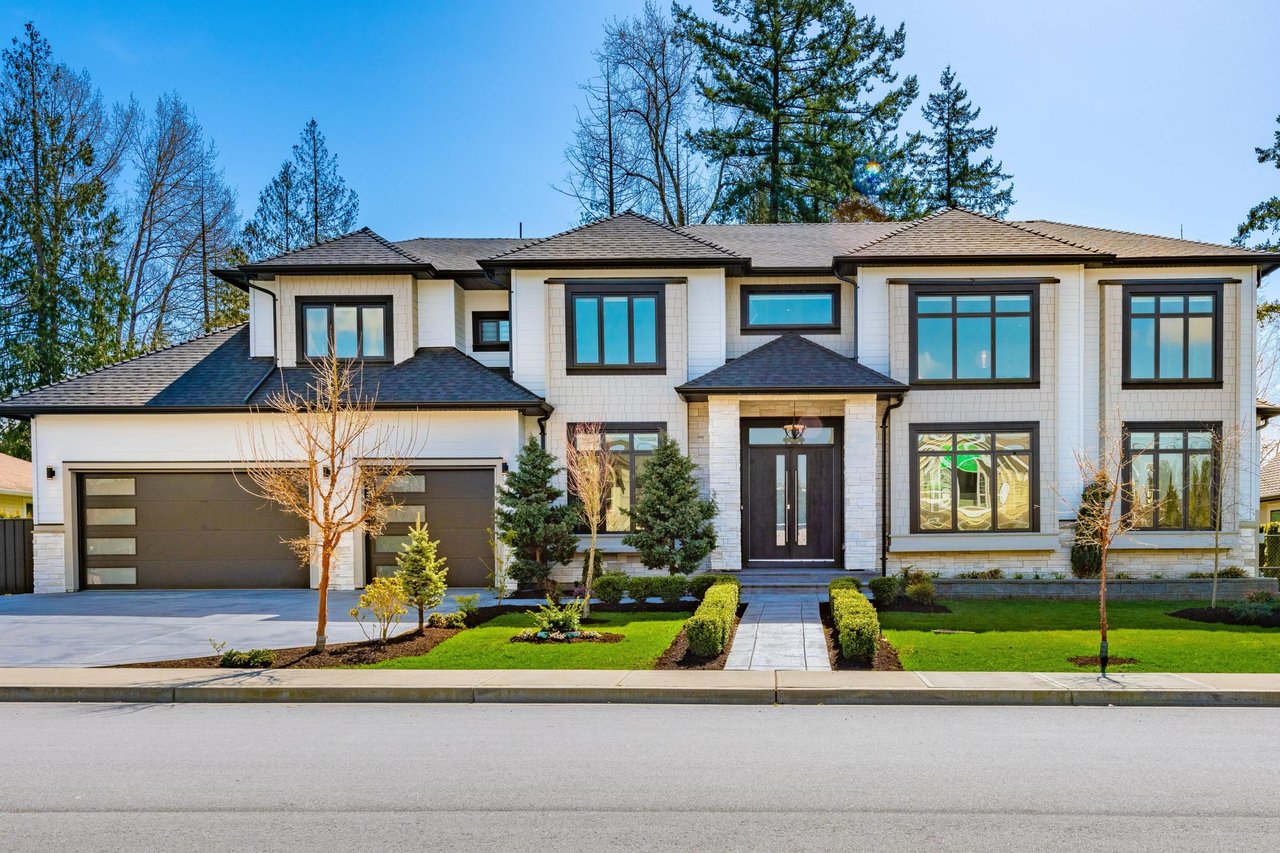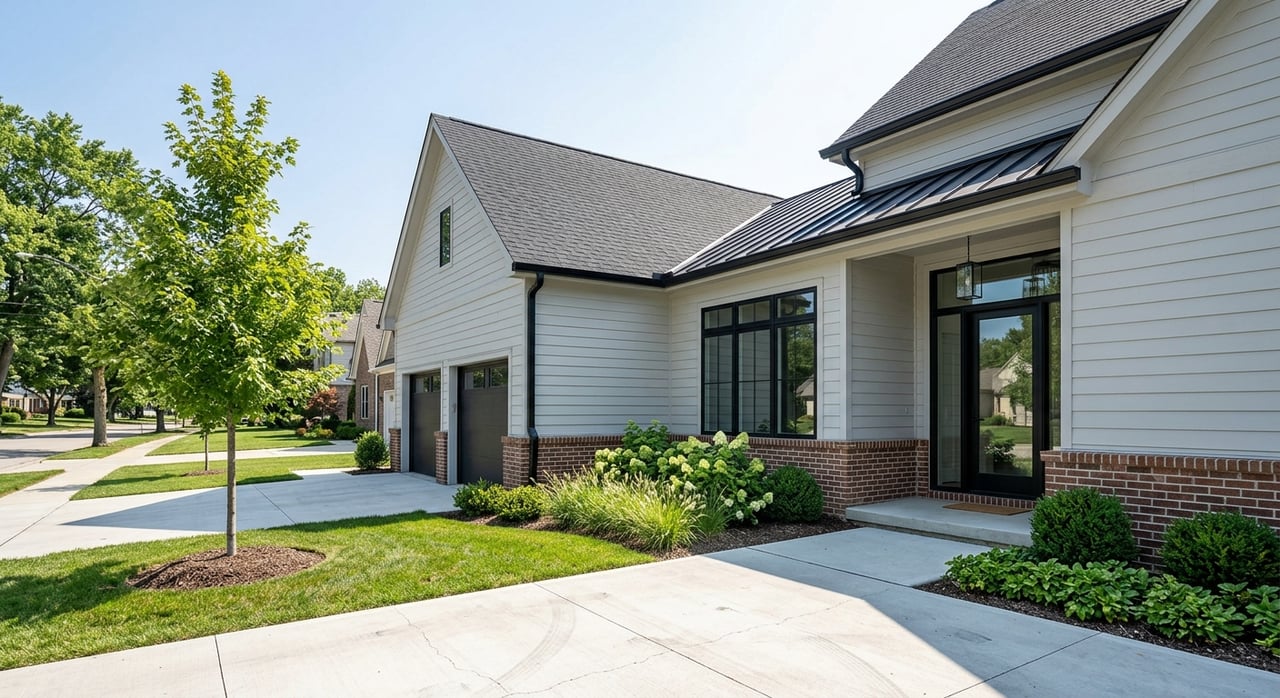
Wondering whether a rental home in McCordsville can actually make sense as an investment? If you are looking at this fast-growing suburb, you are probably trying to balance strong rent potential against higher purchase prices and ongoing ownership costs. The good news is that McCordsville shows real promise for long-term landlords, but it is not a market where you want to guess. Here’s what to know before you buy.
McCordsville Rental Market at a Glance
McCordsville is growing quickly. The town’s population reached 11,744 in 2024, which is a 33.1% increase from the 2020 base. That kind of growth can support housing demand, especially in a suburban market where people are looking for newer homes and more space.
It is also an owner-heavy market. About 84.7% of homes in McCordsville are owner-occupied, compared with 79.6% across Hancock County. That tells you this is primarily a homeownership market, not a renter-dominated one, which can mean steadier tenant demand for the right property but less room for sloppy pricing.
Income levels also stand out. Median household income in McCordsville is $110,692, which supports the town’s position at the higher-rent end of the local market. For investors, that makes rent quality and property presentation especially important.
What Rents Look Like in McCordsville
Current asking rents are relatively strong for the area. Zillow reports an average asking rent of $2,395, with 32 available rentals and a market rated as “warm.” Year over year, asking rents are up by $195, which is about 5.2%.
Bedroom count matters a lot here. Zillow’s current averages are about $1,507 for a one-bedroom, $1,854 for a two-bedroom, $2,255 for a three-bedroom, and $2,463 for a four-bedroom. Detached rental homes are mostly in the three- to five-bedroom range, with current asking rents running roughly from $1,850 to $3,500 per month.
You may also see Census data showing a median gross rent of $1,283. That number is not directly comparable to current asking rents because it reflects existing occupied units, while Zillow tracks what landlords are currently asking in the market. Both figures are useful, but they measure different things.
Are McCordsville Rental Homes Good for Cash Flow?
This is where McCordsville gets interesting, but also where discipline matters. Zillow shows an average home value of $375,788. Compared with the average asking rent of $2,395, that creates a rough gross rent-to-value ratio of about 7.6%.
That ratio suggests McCordsville can work as a buy-and-hold market, but it is not a deep cash-flow play. In simple terms, there may be enough rent to make the numbers work, yet not enough margin to cover mistakes in pricing, repairs, vacancies, or association costs.
If you are underwriting a deal here, conservative assumptions matter. A property that looks fine on paper can feel very different once you include maintenance, leasing downtime, HOA obligations, and subdivision rules.
Which Property Types Make the Most Sense?
McCordsville offers more than one rental path. The zoning ordinance includes low-density single-family districts, medium-density single- and two-family districts, and multifamily districts intended for duplexes, townhomes, apartments, and condominiums. That gives you options, but it also means you need to verify what is allowed before you buy.
Current rental listings show that split clearly. Zillow shows 37 houses for rent and 109 apartment rentals in McCordsville. Apartment communities are marketing one-bedrooms starting around $1,249 to $1,630, two-bedrooms around $1,830 to $1,953, and larger units up to about $2,265.
For many small investors, the strongest fit may be a well-kept three- or four-bedroom detached home. The existing housing mix and asking-rent data suggest those homes align well with suburban tenant demand, especially for renters who want more living space than an apartment can offer.
Know the Tenant Demand Before You Buy
McCordsville does not behave like a dense urban rental market. Because owner occupancy is high, the town tends to attract renters who are choosing the area for suburban living rather than simply renting by default. That can support stability, but it also means tenants may compare your home carefully against other well-maintained options.
In practical terms, there are at least two broad rental audiences in this market:
- Renters looking for detached housing, often in the three- or four-bedroom range
- Commuters or relocators who may prefer newer apartments, townhomes, or low-maintenance living
That matters because your property type affects your competition. A detached home is not really competing with every rental in town. It is competing with similar homes, similar layouts, and similar neighborhood settings.
Subdivision Rules Can Make or Break the Deal
One of the biggest investment risks in McCordsville is not obvious from the listing sheet. Local zoning and planned unit development rules can directly affect whether you can lease the property and what kind of lease is allowed.
For example, local PUD ordinances in McCordsville include lease restrictions in some communities. In Kelly Landing, the 2025 ordinance prohibits short-term rentals under six months and requires leases of at least six months. A separate 2024 ordinance for Jacobi Legacy Farms also requires an initial lease term of at least six months and bans Airbnb- or VRBO-style use in residential leases.
That means you cannot assume every home can be used the way you want. Before you move forward, it is smart to confirm:
- The zoning classification
- Whether the subdivision or PUD allows rentals
- Minimum lease term requirements
- Any HOA or CCR restrictions
- Ongoing association responsibilities or fees
Operating Costs Matter More Here
Because McCordsville is more of a steady suburban hold than a bargain-price market, operations matter. A well-bought property can underperform if maintenance costs creep up or if the home sits vacant because it is overpriced or poorly presented.
Zillow describes the market as “warm,” which suggests healthy demand, but not unlimited demand. With 32 available rentals in the market, tenants have choices. Homes that show well, are priced correctly, and are in solid condition are likely in a stronger position than properties that need work or feel overpriced.
You should also pay attention to recurring upkeep. Local guidance and subdivision documents point to practical cost areas such as HVAC servicing, moisture control, gutters, exterior maintenance, and HOA or PUD compliance. Some PUD documents also place internal street snow removal or landscaping responsibilities on the association or developer rather than the town, which can affect your budget and reserve planning.
Landlord Responsibilities in Indiana
If you are planning to own a rental home in McCordsville, you also need to be ready for the basics of landlord compliance. Indiana fair housing rules prohibit discrimination in renting, lease terms, advertising, services, and maintenance. Complaints generally must be filed within one year.
Indiana housing guidance also says landlords must provide habitable premises and maintain ventilation and air-conditioning systems if those systems are provided. That makes preventive maintenance more than just a good idea. It is part of responsible ownership.
For most small landlords, the takeaway is simple: build your plan around consistent upkeep and fair, professional leasing practices from day one.
So, Are McCordsville Rental Homes a Smart Investment?
In many cases, yes, but with the right expectations. McCordsville looks strongest as a long-term suburban hold rather than a high-cash-flow, low-cost rental play. Rents are solid, demand appears healthy, and the market is supported by population growth and higher household incomes.
At the same time, purchase prices are high enough that you need to underwrite carefully. The best opportunities are likely to be well-maintained three- or four-bedroom detached homes in communities that allow long-term rentals and have manageable rules.
If you are thinking about buying in McCordsville, the smartest move is to evaluate each property on the details that actually drive performance:
- Current rent comps for similar homes
- Zoning and subdivision restrictions
- Condition and near-term repair needs
- HOA or PUD costs and obligations
- Leasing strategy and realistic rent expectations
That kind of due diligence can help you avoid surprises and buy with more confidence.
If you want practical help evaluating a McCordsville property, pricing its rental potential, or comparing it to nearby options, the JPG Realty Team can help you make a clear, local, numbers-driven decision.
FAQs
Are rental homes in McCordsville good for long-term investing?
- McCordsville appears better suited for long-term buy-and-hold investing than for aggressive cash-flow chasing, with solid rents, healthy demand, and higher purchase prices that require careful underwriting.
What is the average rent for rental homes in McCordsville?
- Zillow reports an average asking rent of $2,395, with many detached homes in the three- to five-bedroom range asking roughly $1,850 to $3,500 per month.
What bedroom sizes rent best in McCordsville?
- Current data suggests strong market activity in larger homes, especially three- and four-bedroom rentals, which fit the town’s suburban housing profile.
Can you use a McCordsville home as a short-term rental?
- Not always. Some local PUD ordinances require lease terms of at least six months and specifically ban Airbnb- or VRBO-style use, so you need to verify the rules for each property and subdivision.
What should investors check before buying a rental home in McCordsville?
- You should review zoning, subdivision or HOA restrictions, current rent comps, property condition, repair needs, and ongoing operating costs before making an offer.